Complexity Science & Contemplative Studies Consortium (CSCSC)
Complexity science helps us understand what contemplatives explore: what a ‘self’ is, and how attention shapes what we see. Contemplative practice helps us transform how science itself is done.
Some past speakersMichael Levin TuftsNeil Theise NYUGary Lupyan UW-MadisonAdam Safron TuftsChaitanya Gokhale WürzburgAlan Rodrigues RockefellerMarc Santolini Learning Planet Institute
AdvisorsJohn Dunne UW-MadisonFrancis Heylighen VUB
OrganizersPavel Chvykov IGDOREMatthew McCarthy VUBMatthieu Barbier INTPFr. Robert Marsland Pontifical University of the Holy Cross
FoundedOctober 2025
What we do
Contemplative traditions suggest the hypotheses. Complexity science looks for the mechanisms. We keep ourselves honest by practicing what we study.
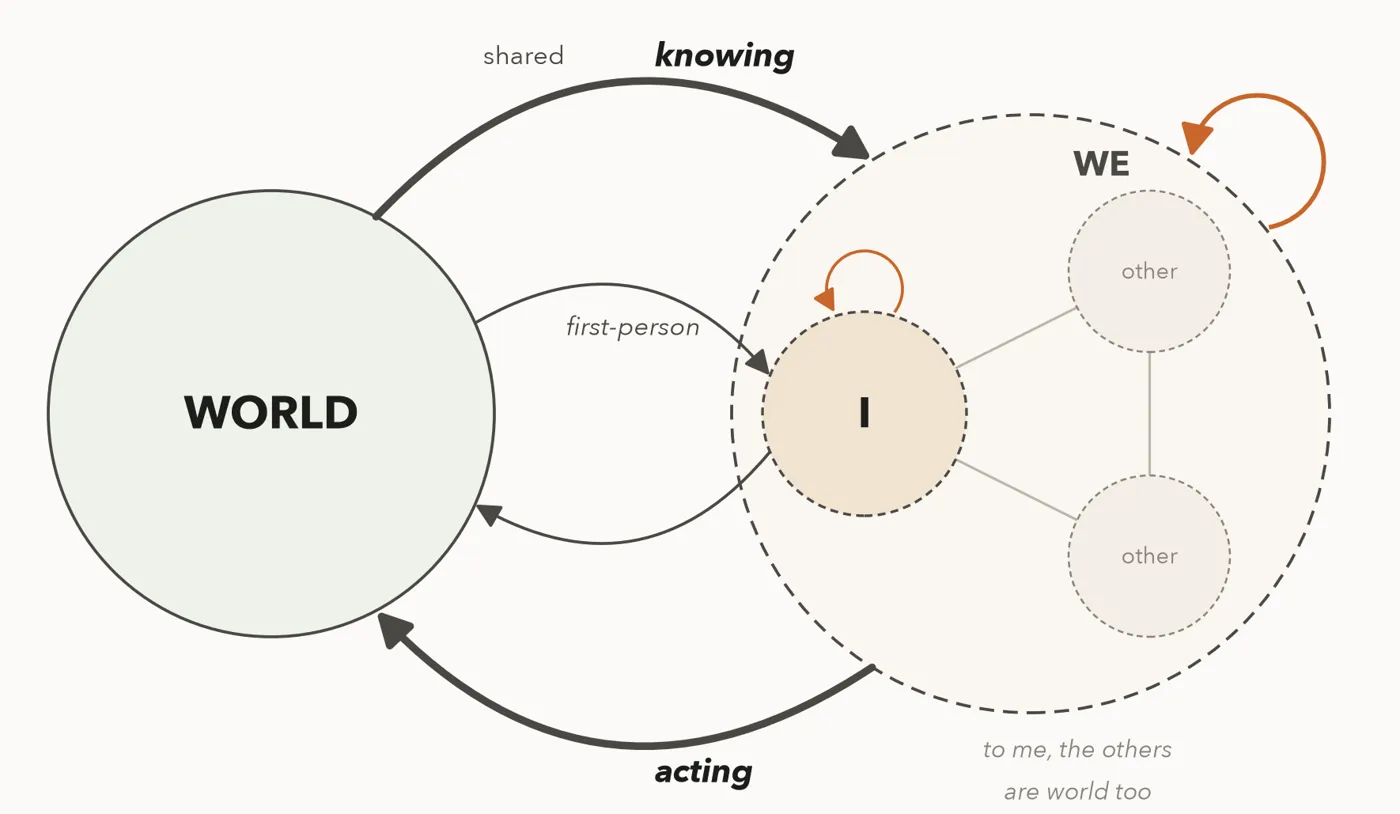
How life can know itself
We develop formal theory bridging contemplative insight with complexity science, through Bayesian models of meditation, the agency of collective imaginaries, and the relational construction of reality.
Research directions →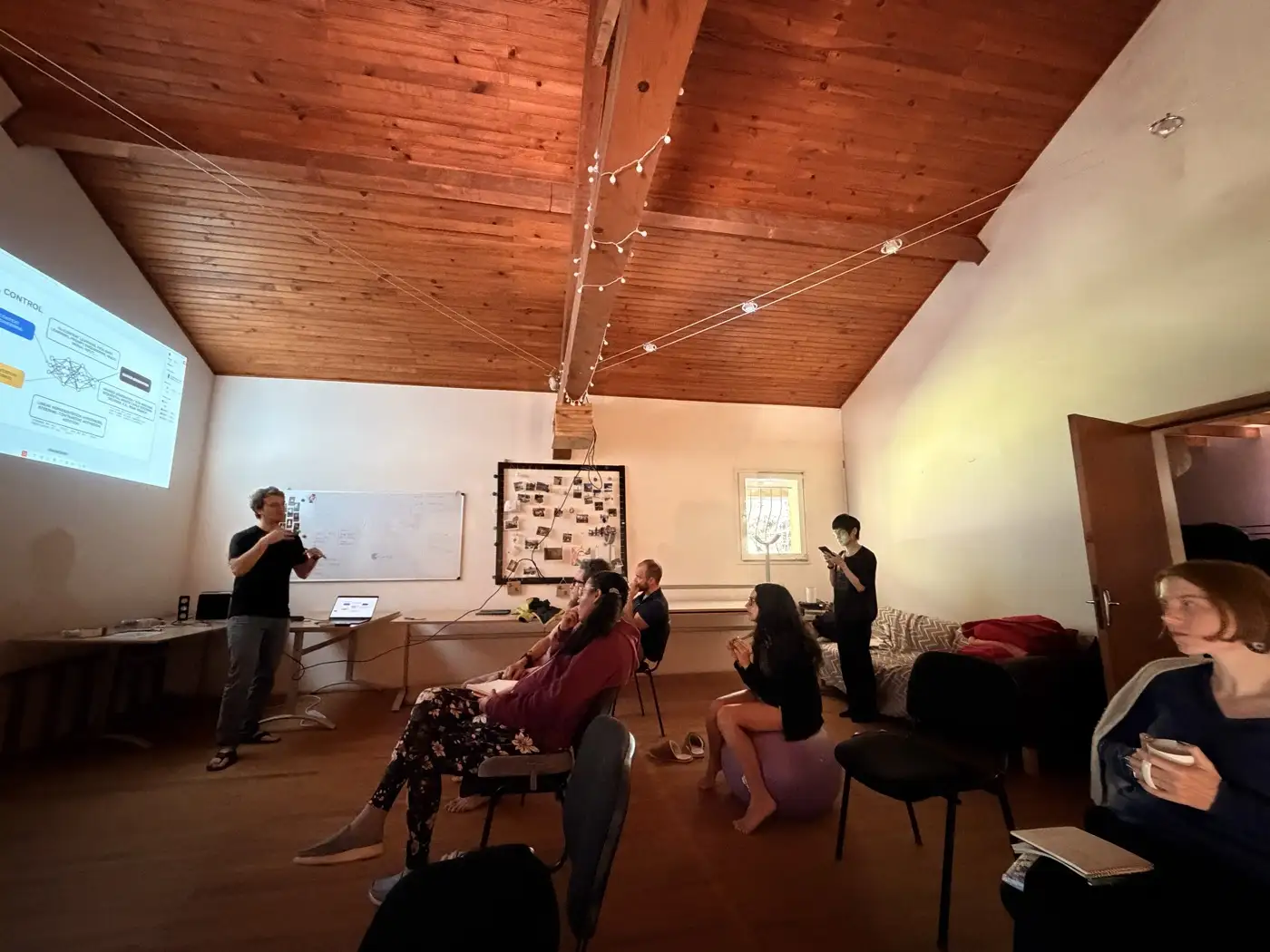
Meetings for better questions
Week-long retreats, conference sessions, and online gatherings, where we design how we meet as carefully as what we discuss: contemplative settling, silence, movement, and honestly bringing the research that lights us up.
Upcoming and past → Trailer · 4 min
Usable materials:
Proceedings, essays, recorded talks, short edited films, an episteme-diagnosis questionnaire... Tested practices others can adopt: a facilitated co-working practice and guidance app.
Tools and media →From the room
What changes when a meeting is designed differently
“I feel calm, unlike most conference days.”
“Normally these conversations between science and religious studies… everyone is speaking in the voice of a straw man. This week we actually had an extremely coherent, consistent, shared language.”
“Something in the slowing down, paying attention, allowed me to have… a gap… and go deeper. It was both more productive and… the quality was better.”
“You can really feel that you're bringing your whole self and not just your facade as a scientist or a professional… I've had that experience in other group settings, but not among academics and scientists.”
“Why don't we do research as we do music together, or as we do sports?”
“I'm an extrovert. I can't believe how much I enjoyed the quiet.”
- Next · Community call27 Nov 2026
November community call: active inference and advanced meditation, with Hagar Tal
Hagar Tal walks us through her review of active inference, computational phenomenology and advanced meditation.
- Next · Gathering23 Nov 2026
Reading group: Meditation and complexity
Atad, Mediano, Rosas and Berkovich-Ohana's review of brain complexity in meditation, hosted by Matthew McCarthy.
- Next · Community call12 Nov 2026
Living Questions: Meeting Complexity, Together
A Mindful Researchers sharing and listening circle on how we live with complexity together, hosted by Luciana Anna Longo and Wolfgang Lukas, co-facilitated by Pavel Chvykov.
- Next · Community call30 Oct 2026
October community call: what we brought back from New York
Open space on a review paper and a platform for independent researchers.
- Next · Conference15 Oct 2026
Complex Systems and Contemplative Studies @ CCS26
About twenty people, with keynotes by Michael Levin and Alan Rodrigues.
- Next · Retreat27 Sept 2026
Work Alive Retreat
A week of working as practice, and the first sessions with the Work Alive app.
- Next · Retreat20 Sept 2026
Honest Science Workshop
Nine talks, a map of the room's research questions, and a ritual arc the group wrote together. Proceedings in preparation.
- Next · Gathering18 Aug 2026
Embodied Conversations: science and contemplation
The Embodied Conversations pilot: a feeling-first reading group.
- Next · Blog18 Aug 2026
What Could Science Actually Offer the Spiritual Path?
A few quick ideas on what science and spirituality might offer each other.
- Next · Blog7 Aug 2026
From systems thinking to systems sensing
Reflecting on July's community call
- Next · Community call31 Jul 2026
July community call: from systems thinking to systems sensing
Led by Marc Santolini: from systems thinking to systems sensing.
- Next · Blog30 Jul 2026
What changes when the body is made part of the inquiry?
Some recent research on how to engage the body more within scientific inquiry.
People
People and advisors →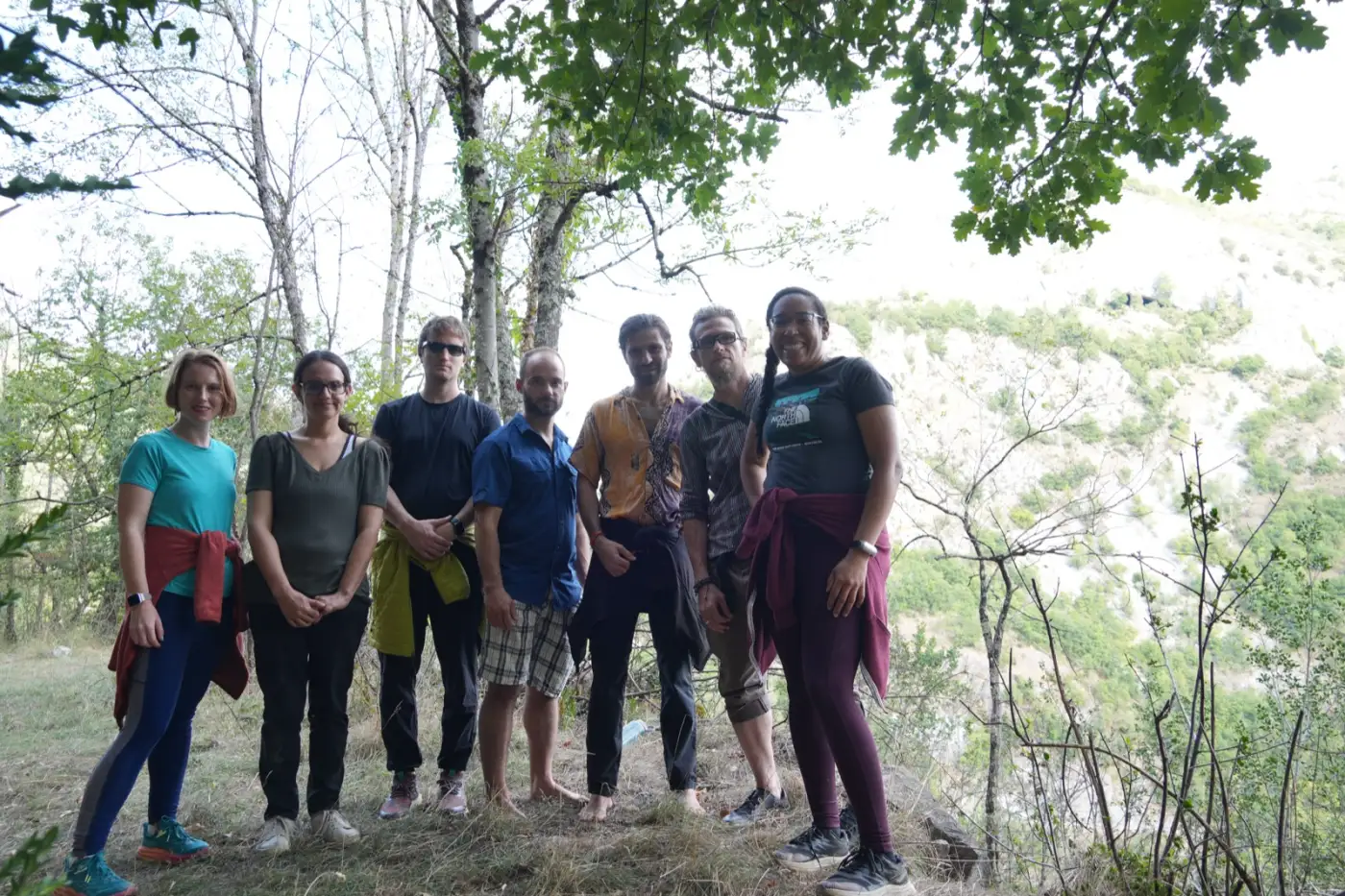
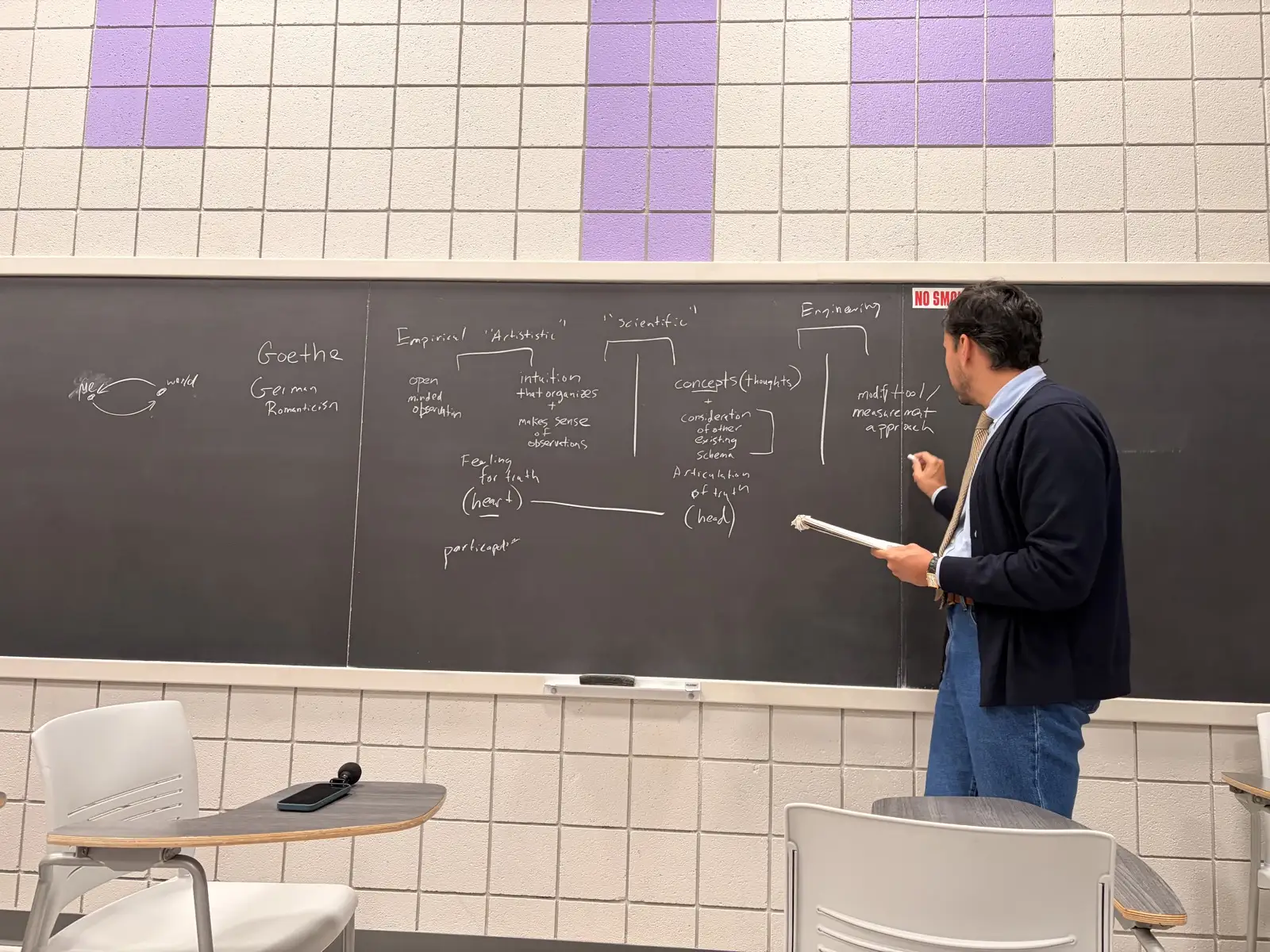
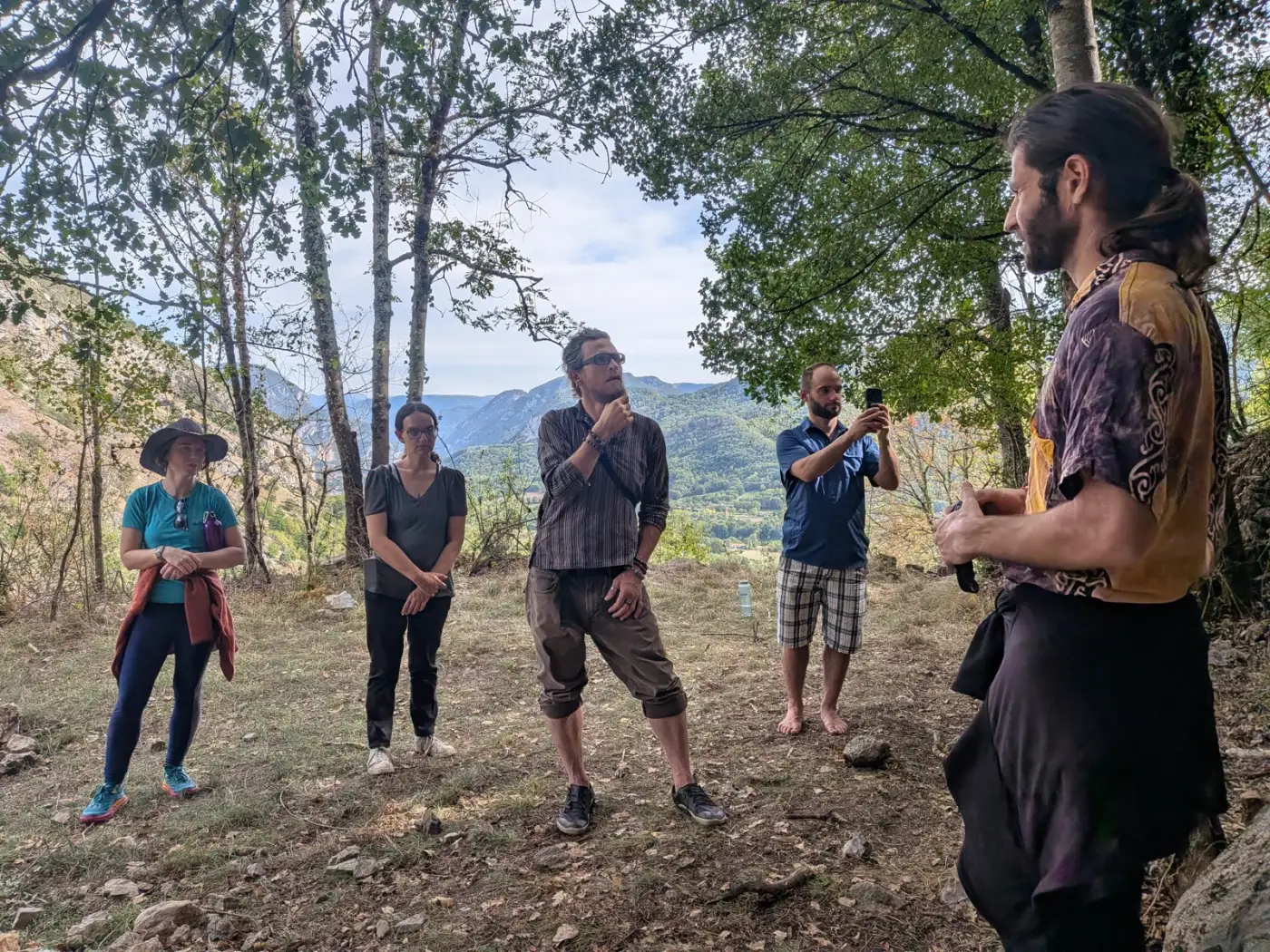
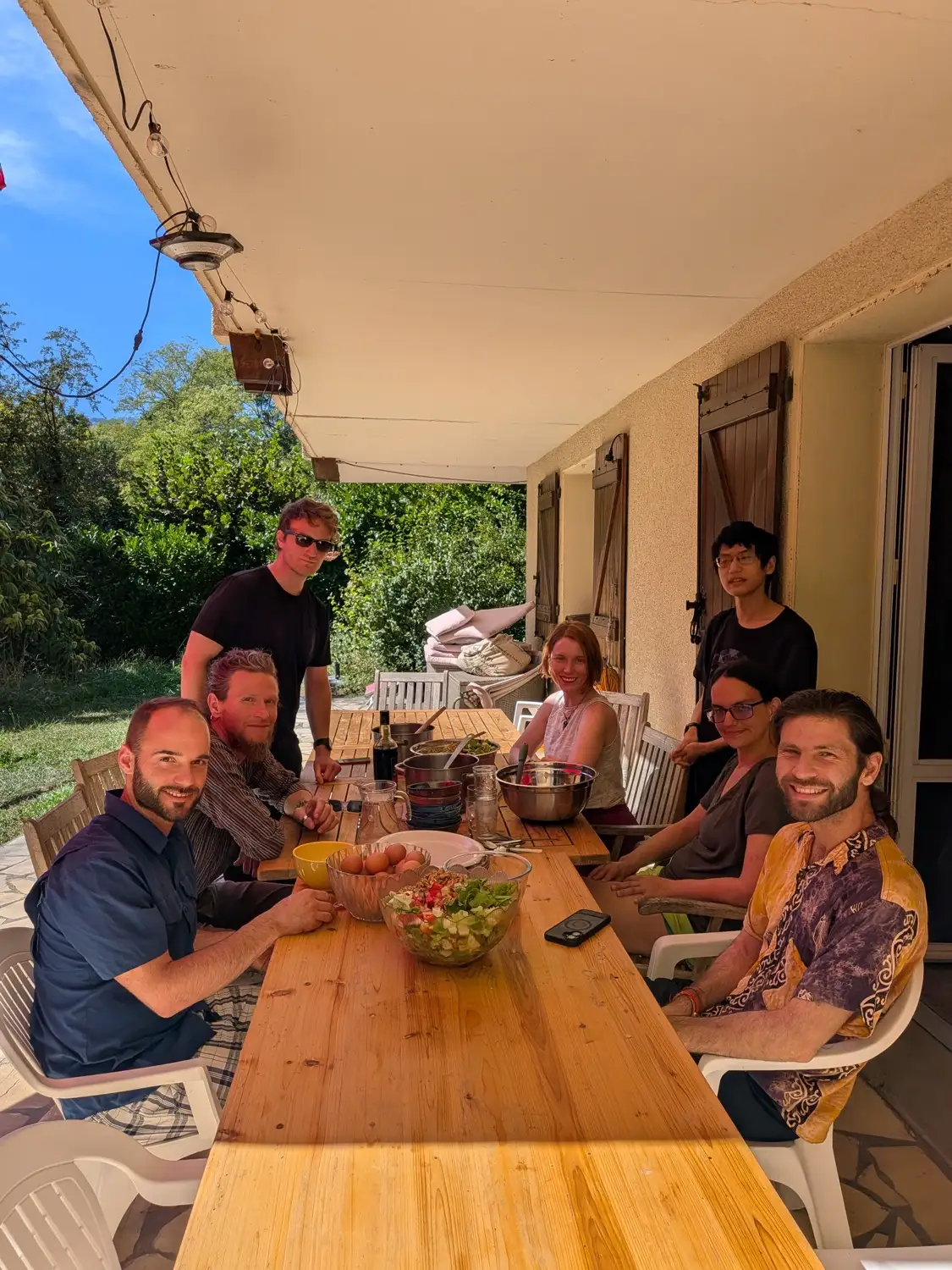
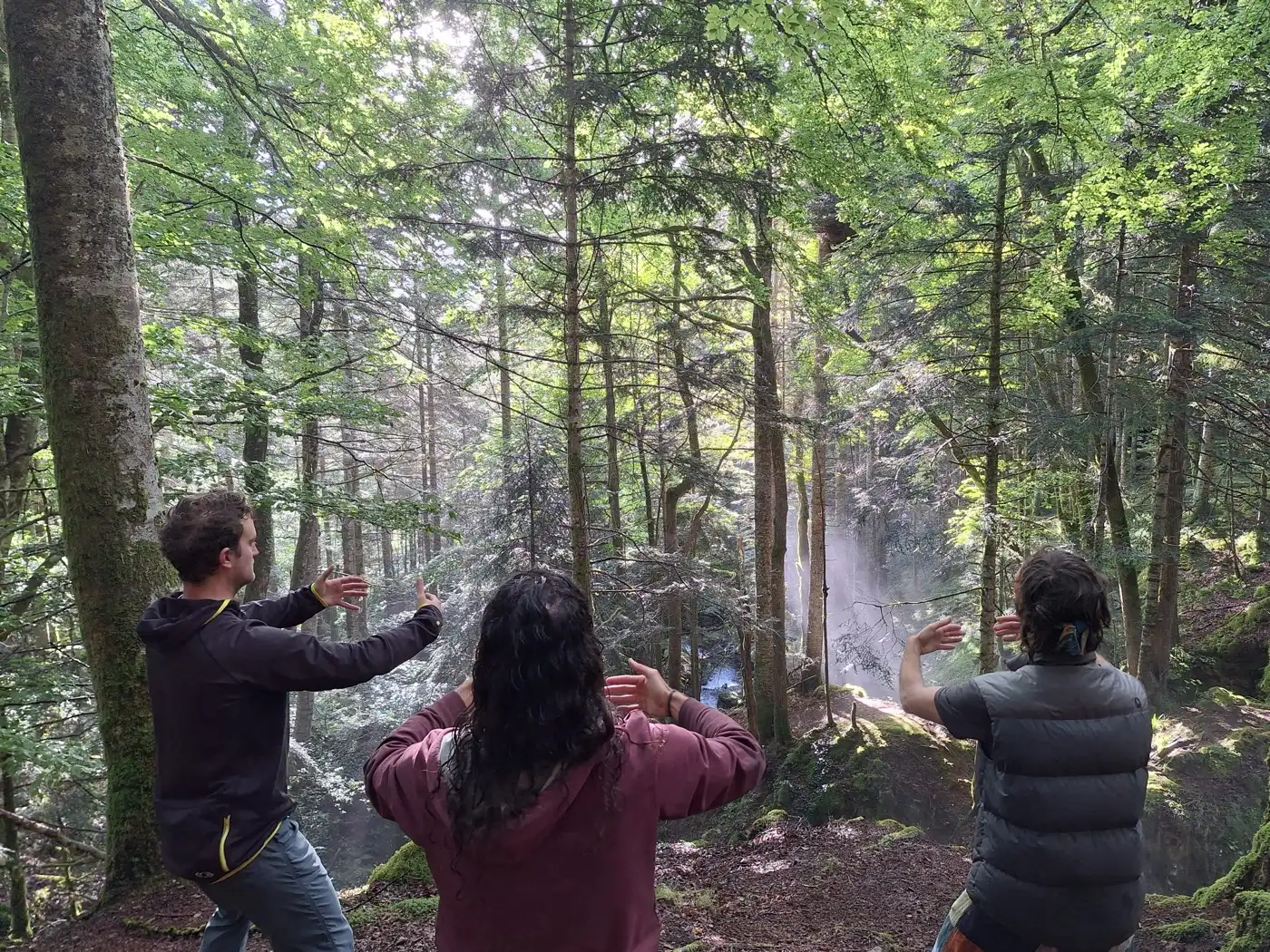
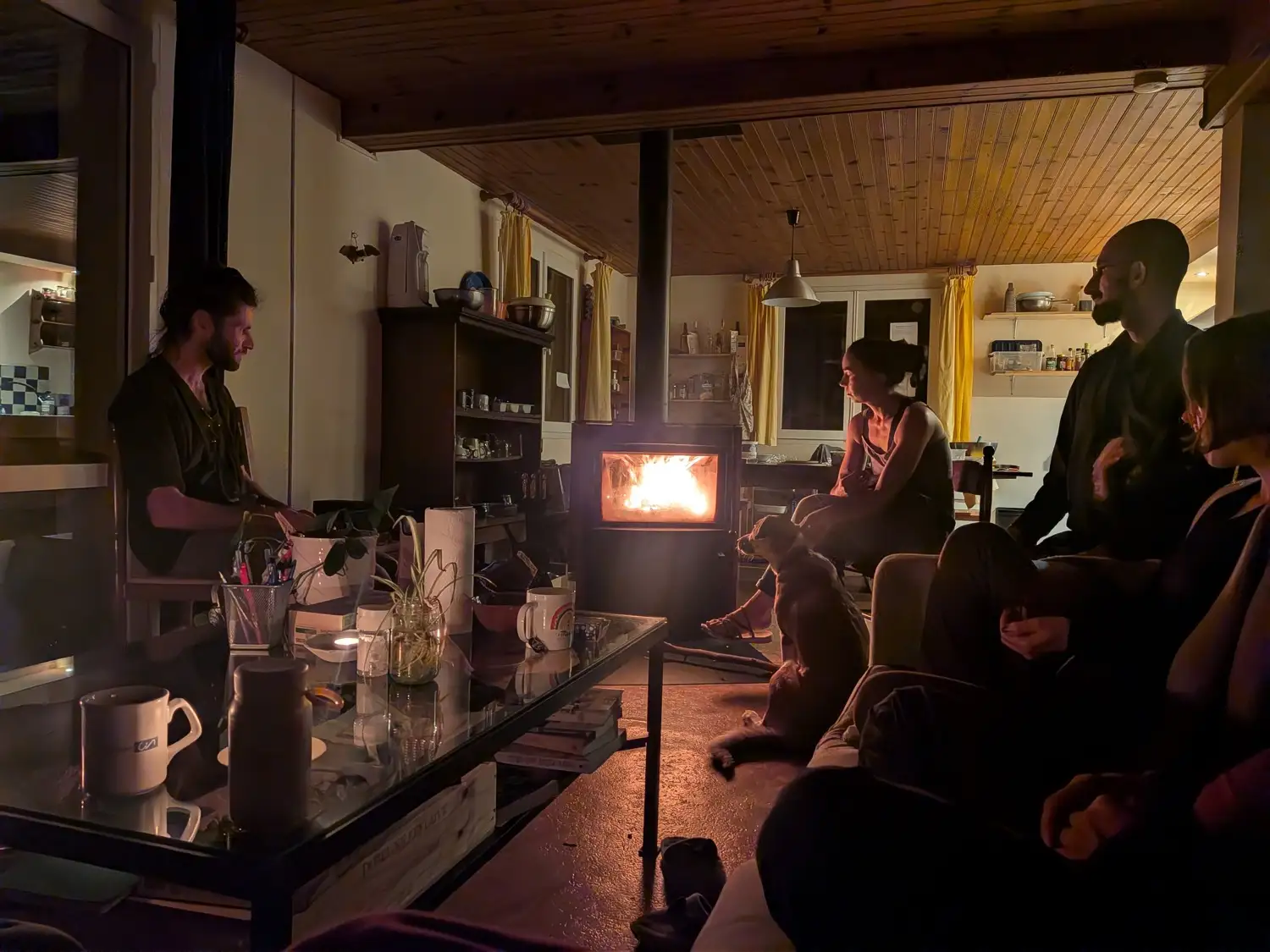
Physicists, biologists, cognitive scientists, philosophers and contemplative practitioners. The community is run by volunteers and is still young: its shape is being worked out in public.
Kicked off with an online conference in October 2025: 47 researchers from more than 30 institutions, three days on what complexity science and contemplative traditions have to say to each other. In September 2026 we spent two weeks in the French Pyrenees: Honest Science, on a science that includes the scientist and the real questions beneath our work, then the Work Alive retreat on working as practice. In October we held a satellite meeting at the Conference on Complex Systems in New York, on how we can study systems where the observer is inseparable from the system itself. Between gatherings we meet online: monthly community calls and reading groups where the discussion itself is approached as a contemplative practice, opening in silence and listening in open awareness.
With INTP, a research institute in the Pyrenees, and the Conference on Complex Systems
Why an ensō?
Before it gave rise to the invention of zero, this brush-drawn circle stood for emptiness: in Buddhist thought, nothing exists in and of itself, everything arises from relations. Complexity science studies how structure and intelligence emerge from such relations. The circle also points to silence as where understanding starts; every theory after that is a useful, yet incomplete, model.
New to all this? Start with the vision, an animated introduction →Help build the scientific culture we wish existed
- Email updates: calls, gatherings, new talks and writing, research and funding openings
- A monthly call, open to anyone curious (dates come by email)
- A forum with a member map